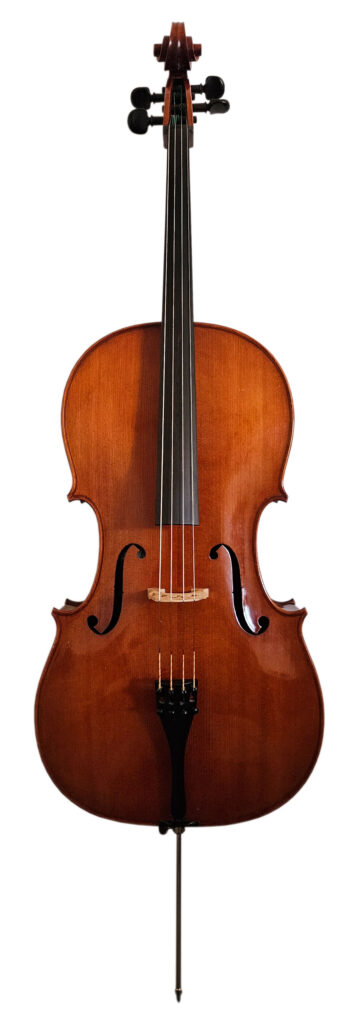
In this blog post, I’d like to share some research I’ve been doing over the past few weeks. About four years ago, I started learning to play the cello. After initially using a rented instrument, I spent quite some time searching before buying a second-hand cello a month ago.
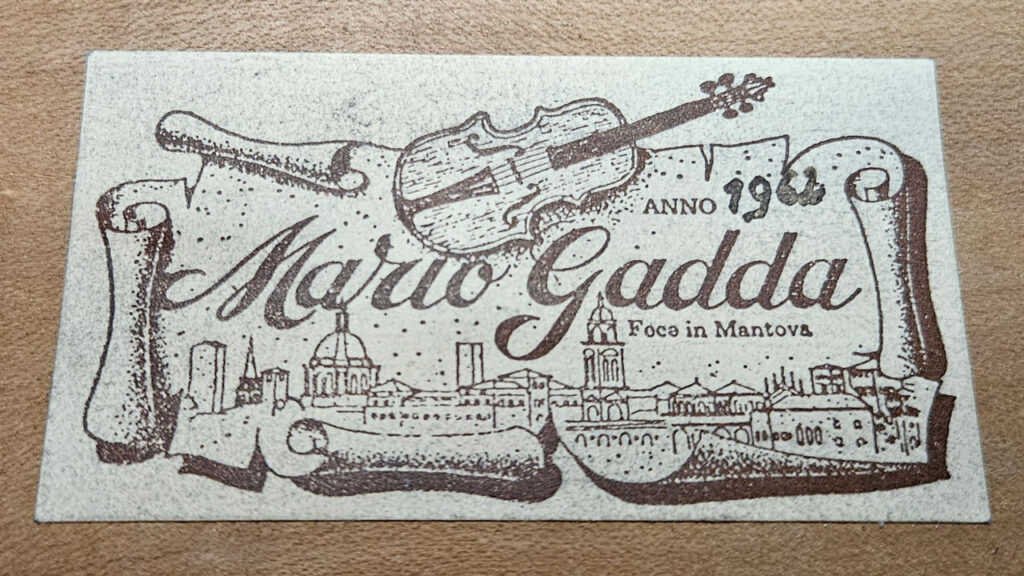
According to its label, it dates from 1962. The idea of playing an instrument with its own history—one that was already part of the world before I was—fascinates me. The label also suggests that it was made in Mantua by the Italian luthier Mario Gadda (13 March 1931 – 13 July 2008). He trained under his father, Gaetano Gadda, who in turn studied under the renowned violin maker Stefano Scarampella.
Before anyone starts seeing dollar signs, knowing that Gadda’s master cellos can fetch more than €30,000 at auction, I should mention that two luthiers independently thought mine looked more like a German cello than an Italian one—possibly from Bubenreuth.
So perhaps it has a false label! Since I knew this before buying it, it doesn’t bother me; it simply makes the cello’s history a little more mysterious. And after all, I bought it for its sound. 😉
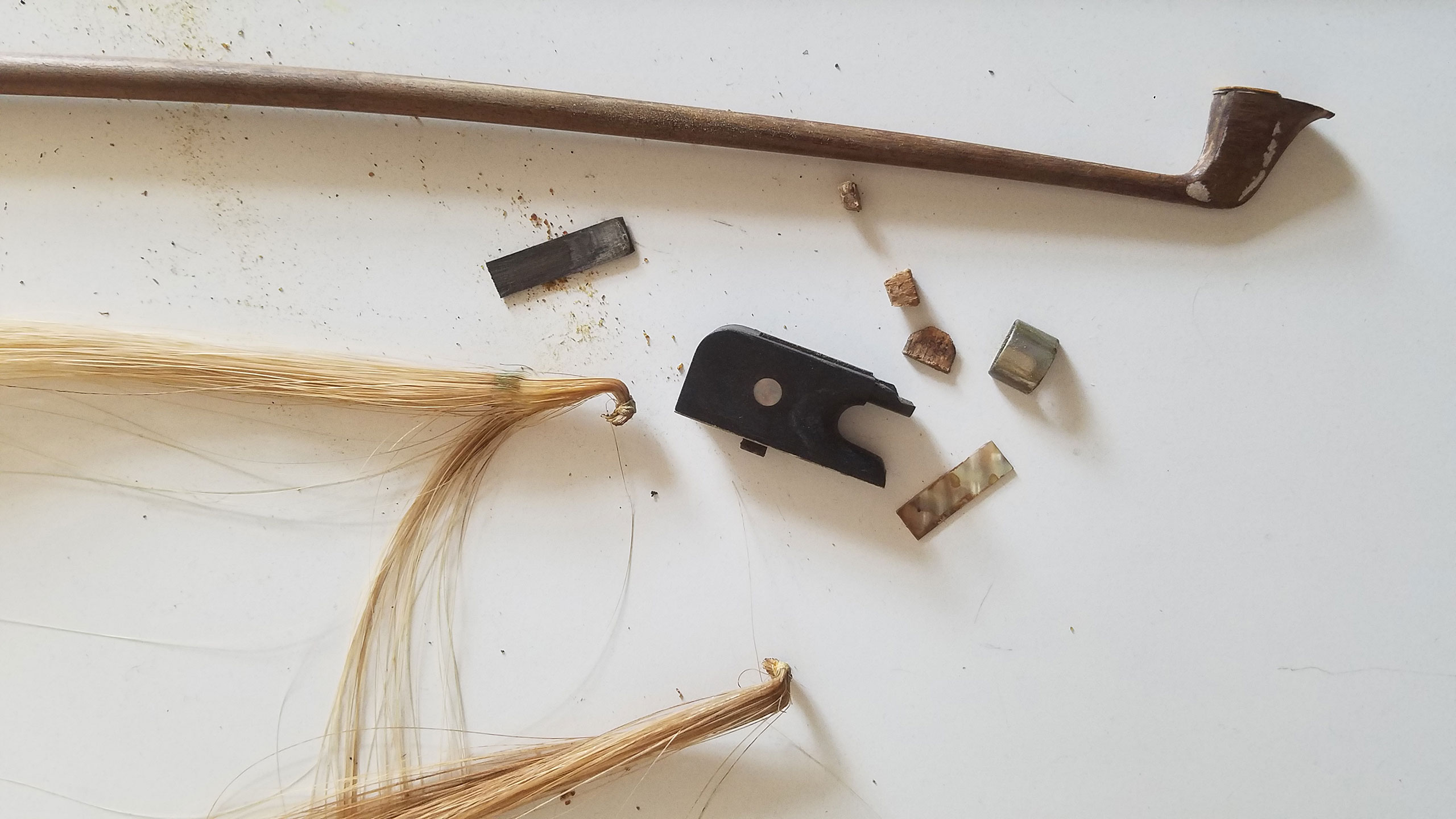
The person I bought it from told me that he had purchased the instrument in Nuremberg in the early 2000s. While the cello had spent several years unplayed but safely protected in its case, the bow had been left on top of a cupboard and was in rather poor condition.
I enjoy working with wood, and over the past few years, my curiosity about the instrument itself has grown alongside my interest in playing it. Since there was clearly little to lose with this bow, I took the opportunity to try restoring it myself. If it hadn’t sounded any good afterwards, at least I would have had some fun, learned a few things, and could have used it to experiment on my bass guitar instead of my cello.
After watching a few tutorial videos and researching where to order the materials, I got started. Here are a few photos:
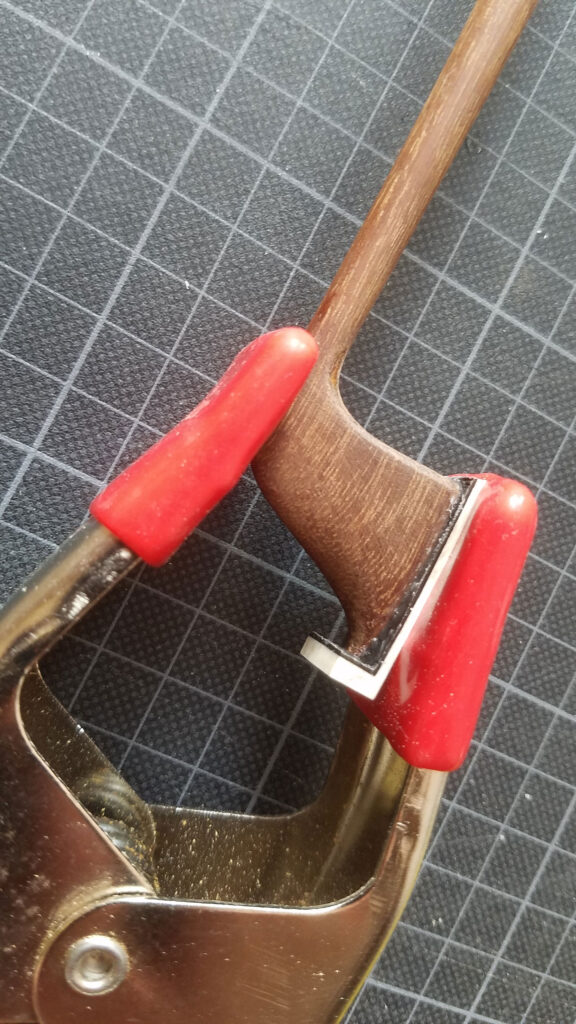
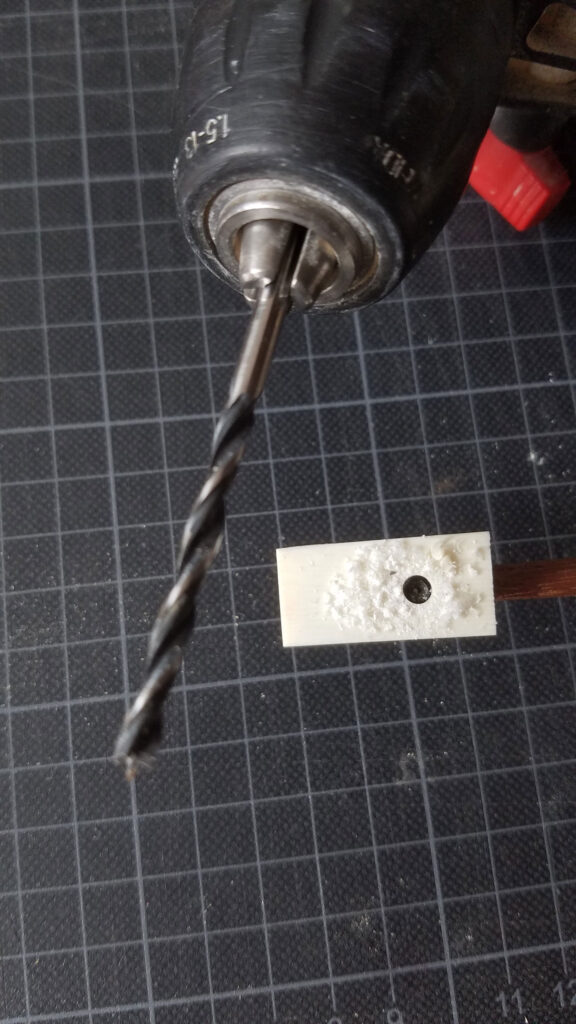
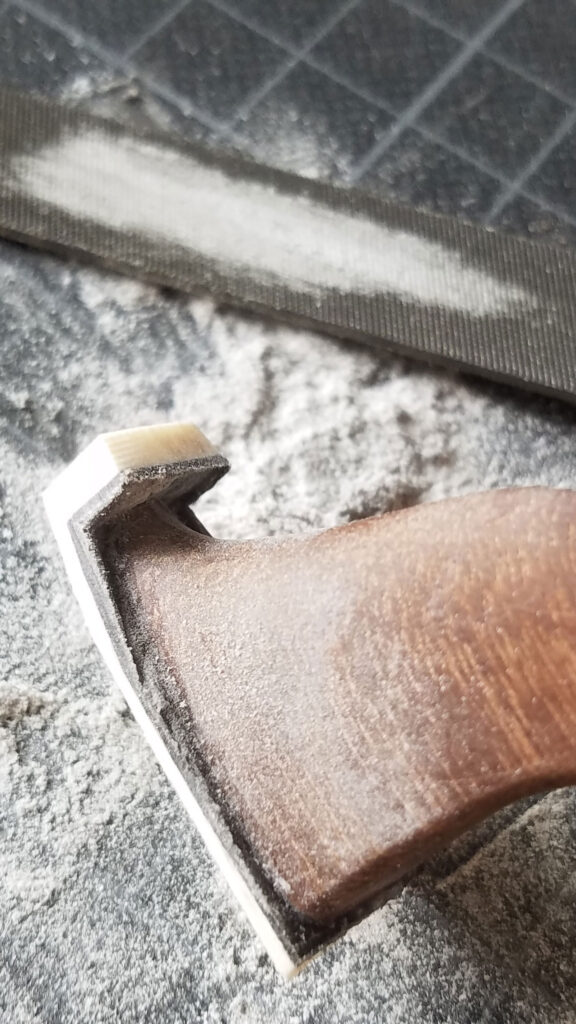
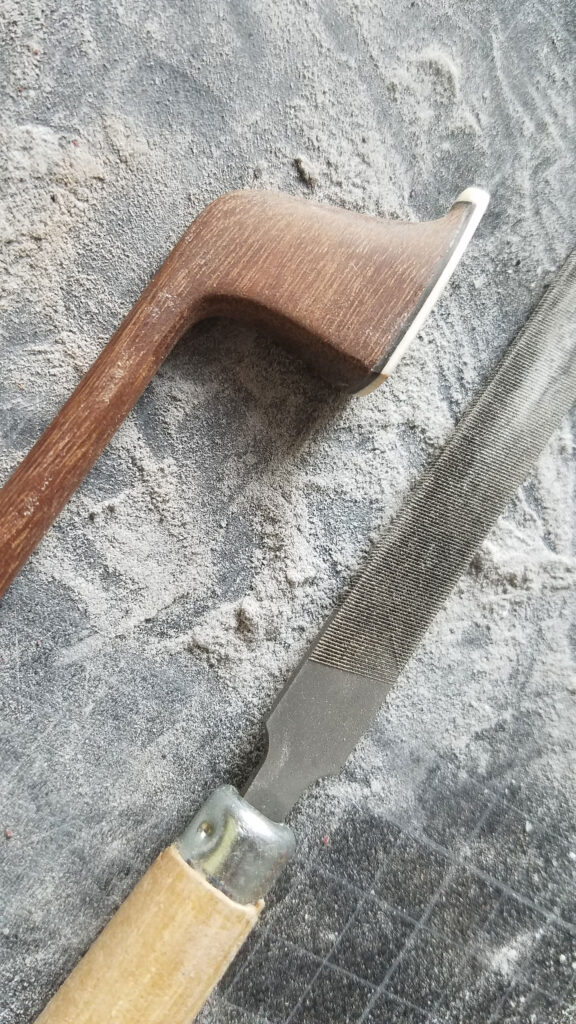
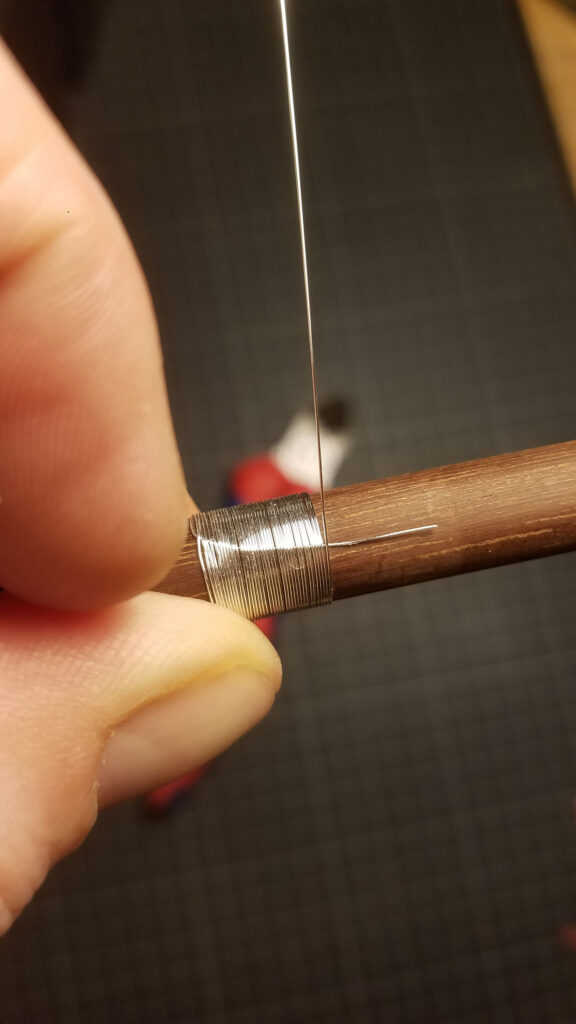
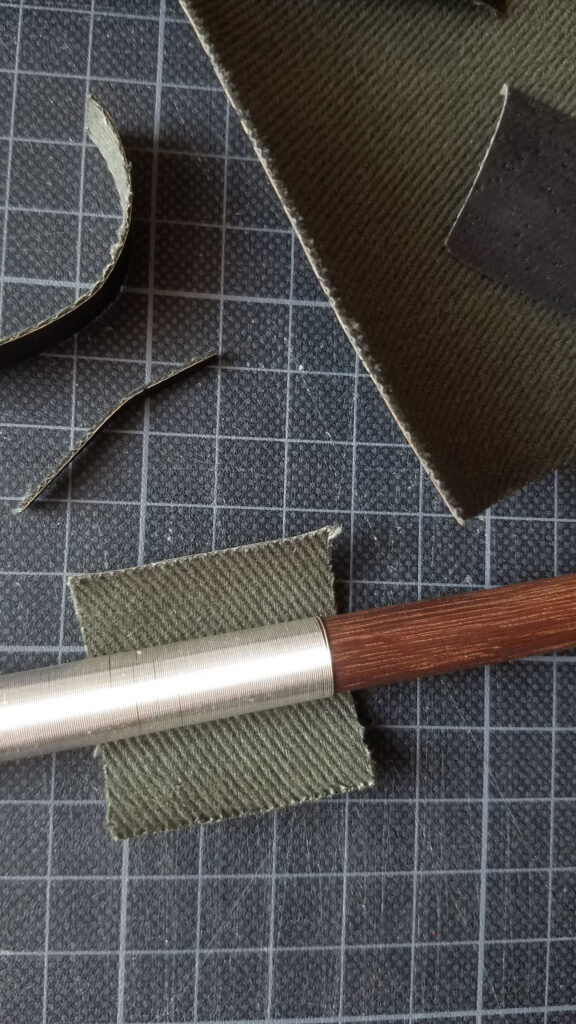
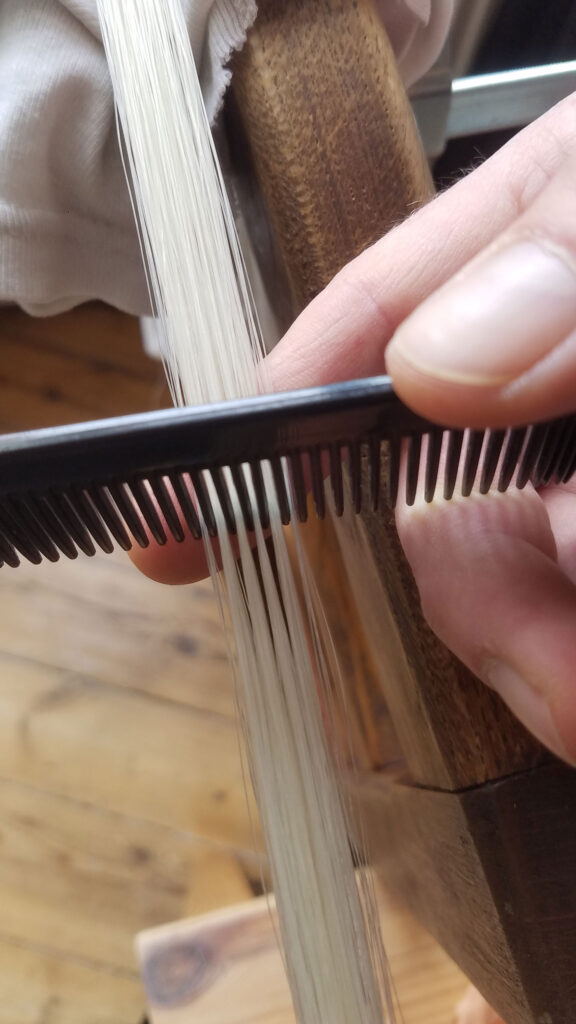
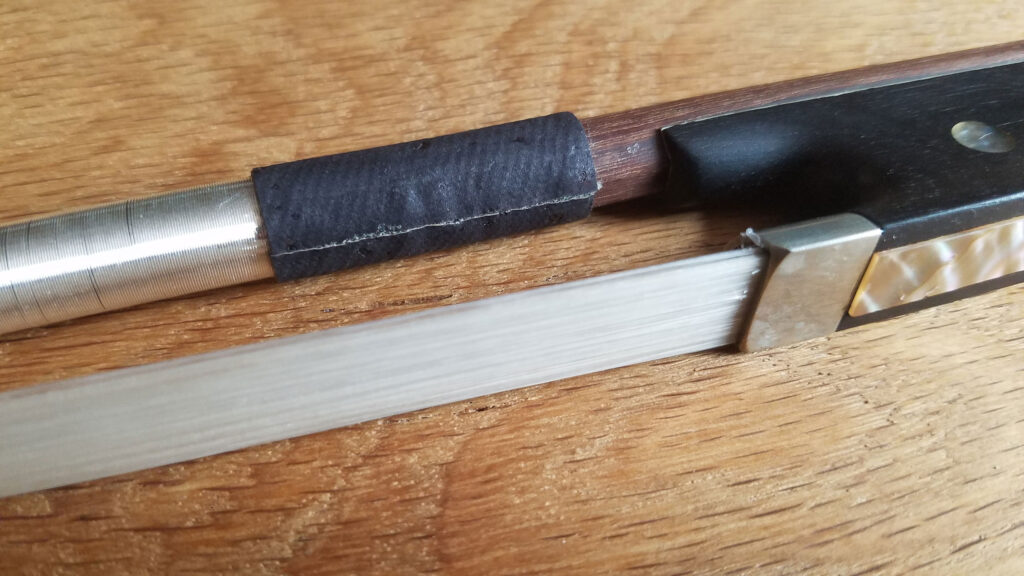
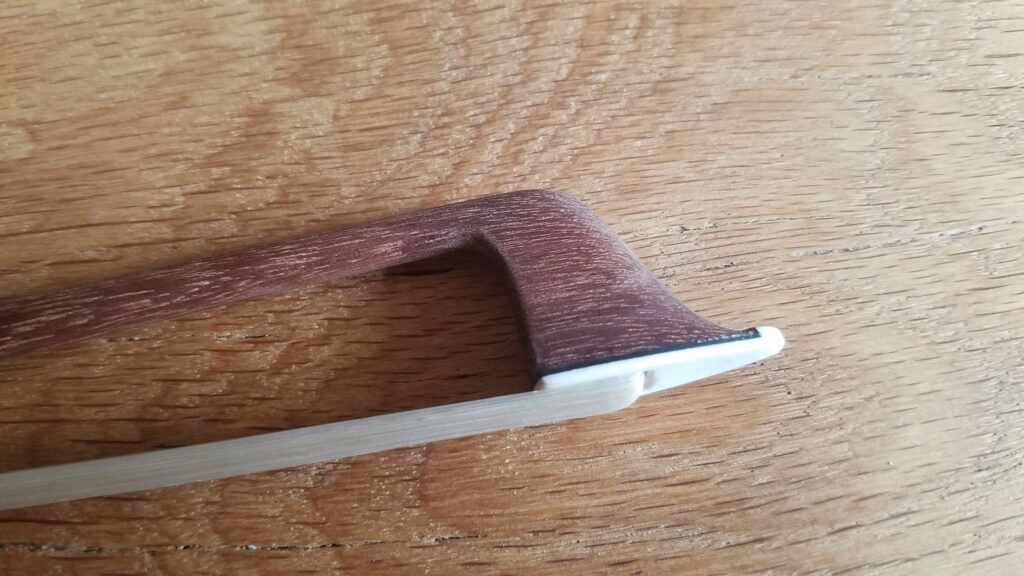
If you ever fancy rehairing a bow yourself, I can recommend this four-part video tutorial. It’s wonderfully detailed, with clear explanations and easy-to-follow demonstrations.
Part 1
Part 2
Part 3
Part 4
If you’d like to learn more about how bow hair is prepared and selected, take a look at the two videos on this website: